Choosing the right building surveyor is a crucial step in any property journey. Whether you’re buying a new home, planning renovations, or simply seeking a professional opinion on the condition of a building, the expertise of a qualified surveyor can save you time, money, and stress. This guide focuses on practical steps, local considerations, and how to find reliable building surveyors in Newcastle-under-Lyme to ensure you get thorough, accurate assessments.
Why a Building Surveyor Matters
A building surveyor provides expert assessment of a property’s structure, fabric, and systems. Their findings can influence decision-making in several ways:
- Identifying structural issues, damp, or timber defects
- Evaluating the condition of roofs, floors, drains, and electrical systems
- Flagging potential risks before exchange of contracts
- Advising on repair strategies, costs, and timelines
- Help with renovation plans, extensions, or conversions
Understanding the true condition of a property helps you negotiate a fair price and plan any necessary works with confidence.
Define Your Requirements
Before you start contacting surveyors, pin down what you need. Common options include:
- RICS HomeBuyer Report (Level 2): good for most residential purchases, includes a survey and a concise history of defects.
- Building Survey (Level 3): more detailed, suitable for older or distorted properties, or homes with complex issues.
- Condition Report: a lighter option that focuses on major concerns and risks.
- Party wall and light structural assessments: if you’re planning work that touches a shared wall or involves structural changes.
Think about the property type, age, and your budget. Your needs will guide the level of survey and the scope of work you require.
How to Find Building Surveyors in Newcastle-under-Lyme
Locating a qualified professional nearby can make scheduling easier and provide local insight. Consider these approaches:
- Referrals: ask friends, family, or your solicitor for trusted recommendations.
- Online search: use targeted searches like building surveyors in Newcastle-under-Lyme to identify local firms.
- Professional bodies: check the Royal Institution of Chartered Surveyors (RICS) directory for qualified practitioners in the area.
- Compare quotes: request a few quotes to understand pricing, inclusions, and turnaround times.
When evaluating candidates, prioritise accreditation, experience with similar property types, and clear communication.
What to Expect from the Surveyor
A thorough survey typically includes:
- A site visit to inspect accessible elements of the property
- A written report detailing defects, risks, and recommended actions
- Photos or diagrams to illustrate findings
- An itemised cost estimate for recommended works (where applicable)
Discuss the report with the surveyor, ask for clarification on any points, and ensure you understand the timeline for delivering the final document.
Questions to Ask Your Surveyor
- What level of survey do you recommend for this property?
- Have you surveyed properties of a similar age and style in Newcastle-under-Lyme before?
- Can you provide a sample report or a contents page so I know what’s included?
- What are your fees, and are there any extras or disbursements?
- Do you offer post-survey support or guidance during negotiation?
Clear communication from the outset helps prevent misunderstandings later.
Understanding Costs and Budget
Fees for building surveys can vary based on property size, age, location, and the level of detail. Common pricing considerations include:
- Inspection time and report length
- Travel expenses if the surveyor is not local
- Additional services such as damp surveys, party wall notices, or timber decay assessments
- VAT and potential reductions for certain client types (e.g., developers or charities)
Request a written quote that breaks down each element so you can compare accurately.
Local Context: Newcastle-under-Lyme
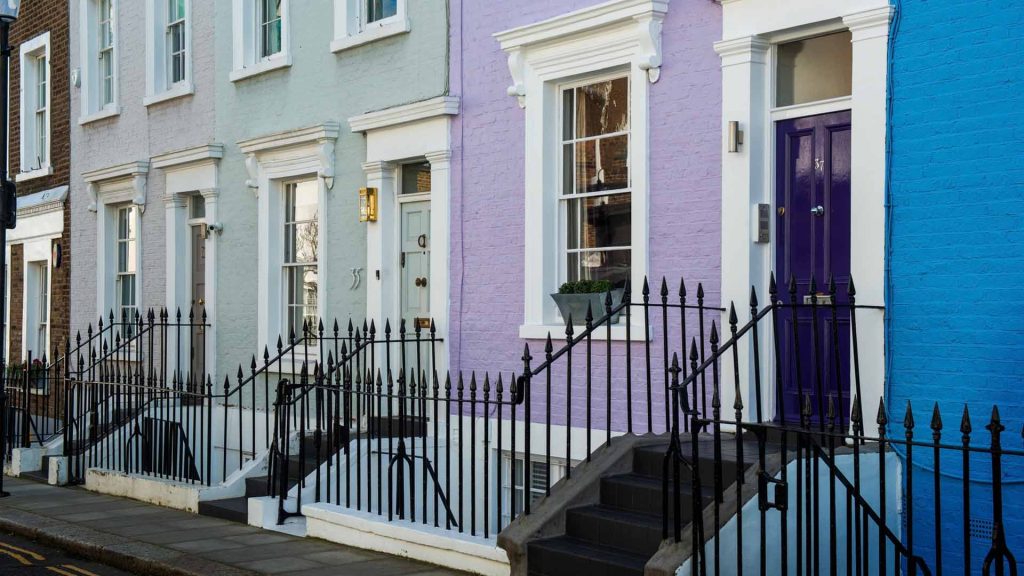
Newcastle-under-Lyme is a historic market town with diverse property styles, from period terraces to modern builds. This variety means surveyors in the area often need to tailor their approach:
- Expect close inspection of traditional materials (brickwork, lime mortar, timber framing)
- Be mindful of damp issues particular to older properties and local drainage patterns
- Consider any conservation area guidelines or listed building considerations if applicable
- Local knowledge can help forecast typical repair costs in the area
If you’re purchasing in Newcastle-under-Lyme, seek surveyors who demonstrate familiarity with the region’s housing stock and regulatory nuances.
Red Flags and Cautions
- Vague reports with little detail
- Delays in returning the report without justification
- A lack of references or recent client testimonials
- High-pressure sales tactics or upselling unnecessary services
- Surveyors unwilling to explain findings in plain language
Trustworthy surveyors will walk you through their conclusions and provide actionable recommendations.
Final Thoughts
Picking a building surveyor is about aligning technical capability with clear communication and local know-how. For property buyers and renovators in Newcastle-under-Lyme, a qualified surveyor offers a trusted view of the building’s condition, potential issues, and workable solutions. By defining your needs, researching local options, and asking the right questions, you can secure a professional who will guide you confidently through the next steps of your property journey. Remember to compare levels of service, costs, and expected timeframes, and don’t hesitate to request examples of past reports to ensure the style and thoroughness meet your expectations.
Quick Reference Checklist
- Determine whether you need a HomeBuyer Report, Building Survey, or other assessment
- Locate building surveyors in Newcastle-under-Lyme with relevant experience
- Verify accreditation with a professional body (e.g., RICS)
- Request written quotes and sample reports
- Clarify fees, inclusions, and delivery timelines
- Prepare a list of property-specific questions for the surveyor
- Review the final report thoroughly and seek clarification as needed
If you follow these steps, you’ll be well on your way to making an informed decision about your property and any upcoming works.