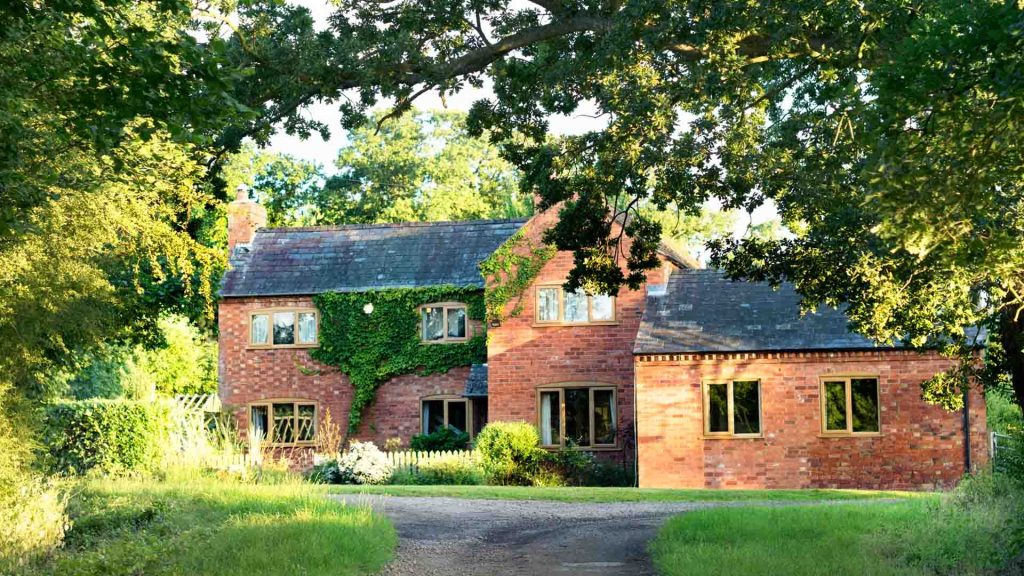
Undertaking a purchase or ongoing maintenance for a 20 year old house raises a few practical questions. One that often comes up is whether a survey is necessary and what kind of survey will be most useful. In this guide, we’ll explore why a survey matters, what to look for in a surveyor, and how land registry compliant plans fit into the process. By the end, you’ll have a clearer idea of the steps you should take to protect your investment and keep your home in good condition.
Why a survey is worth considering
A 20-year-old house may seem straightforward, but aging components can hide hidden problems. Here are some reasons a survey can be a wise choice:
- Structural integrity: Cracks in walls, subsidence, or movement can appear over time. A survey can flag obvious and not-so-obvious issues.
- Damp and insulation: Old plaster, rising damp, or inefficient insulation can affect comfort and running costs.
- Roofing and drainage: Worn roofs, faulty gutters, and drainage problems can lead to expensive damage if left unchecked.
- Services and fittings: Electrical systems, plumbing, and heating often need attention as homes age.
- Negotiating power: If you’re buying, a survey can inform price negotiations or reveal issues the seller wasn’t aware of.
If you’re buying, a survey is particularly important because it provides an informed baseline for your offer and future maintenance planning. Even if you already own the property, a survey can guide essential updates and help prioritise remedial work.
What types of surveys are available?
Surveys range from basic to detailed, with different levels of inspection and reporting. Here are common options, explained in simple terms:
- Homebuyers Report (level 2): Aimed at most conventional properties, including a non-intrusive inspection and a detailed report highlighting defects, repairs, and estimates for repair costs.
- Building Survey (formerly Full Structural Survey): The most thorough option, suitable for older or unusual properties. It covers structural integrity, condition ratings, and comprehensive advice on repairs and maintenance.
- Condition Report or RICS Condition Report: A concise assessment focusing on condition and urgent issues, with recommendations rather than estimates for costs.
- Additional investigations: Depending on concerns, you might need specialist surveys (electrical, plumbing, timber, damp, roof, or drainage surveys).
Consider your budget, the age of the house, and the level of detail you need when choosing a survey.
What to look for in a surveyor
Choosing a qualified, independent surveyor is crucial. Look for:
- Chartered status: Look for a member of the Royal Institution of Chartered Surveyors (RICS) or equivalent recognised body.
- Clear scope of work: Ensure the report outlines what is inspected and what isn’t, and provides a clear recommendations section.
- Professional indemnity insurance: To protect against possible errors in the report.
- References and reviews: Check feedback from previous clients.
Ask about turnaround times and whether the survey will include thermal imaging or damp detection, which can reveal hidden problems.
Land registry compliant plans: what they are and why they matter
One aspect that often causes confusion is the role of land registry compliant plans. These plans are accurate, up-to-date representations of property boundaries and extents. They can be essential for:
- Confirming boundary lines: Ensuring that what you think is your boundary matches the official plan.
- Identifying encroachments: Catching potential disputes early by verifying fences, sheds, or extensions sit within the legal boundary.
- Supporting ownership documents: They complement title deeds and can be useful if you’re planning renovations or extensions.
- Planning and compliance: If you’re applying for planning permission or building regulations approvals, land registry compliant plans can simplify application checks and reduce risk of rejection.
Note that land registry compliant plans are not a substitute for a structural survey or a building survey. They serve a different purpose, boundary clarity and property documentation rather than condition assessment.
When a survey is particularly important for a 20-year-old house
- Substantial renovations are planned: Knowing the condition of the structure and services helps plan long-term projects and budgeting.
- Suspected issues: If you’ve noticed damp patches, cracks, or leaks, a survey can identify the root cause and recommended remedies.
- Mortgage requirements: Some lenders require a Homebuyers Report or Building Survey for certain property types or ages, particularly if there’s a high loan-to-value ratio.
- Insurance considerations: Some insurers may request a survey report before providing or renewing a policy, especially for older homes.
How to prepare for the survey
- Make a list of concerns: Note any issues you’ve observed, even minor ones.
- Clear access: Ensure access to attic spaces, basements, and other areas that may be obstructed.
- Provide documents: Have previous surveys, maintenance records, and planning permissions handy.
- Ask questions: Use the survey to understand future maintenance needs and potential cost implications.
Interpreting the survey report
- Actionable recommendations: Prioritise issues that affect safety or legality first.
- Cost estimates: Use cost guidance as a planning tool, not a precise quote.
- Timelines: Create a realistic maintenance schedule based on urgency.
- Follow-up assessments: For certain problems, you may need specialist surveys or contractor quotes.
Final thoughts
Owning or purchasing a 20 year old house comes with both challenges and opportunities. A well-chosen survey provides a clear picture of the property’s condition, helping you plan maintenance, budgeting, and any necessary negotiations. While land registry compliant plans are valuable for boundary clarity and documentation, they complement rather than replace a professional survey. By understanding the different survey types, selecting a qualified surveyor, and recognising the role of land registry plans, you’ll be better prepared to protect your investment and enjoy your home with greater confidence.
If you’re in the UK and considering a purchase or refurbishment, starting with a Homebuyers Report or Building Survey tailored to a 20-year-old house is a prudent step. Remember to ask about any additional investigations that might be appropriate for your property, especially if you’ve spotted potential issues or if the property has an interesting or unusual layout.