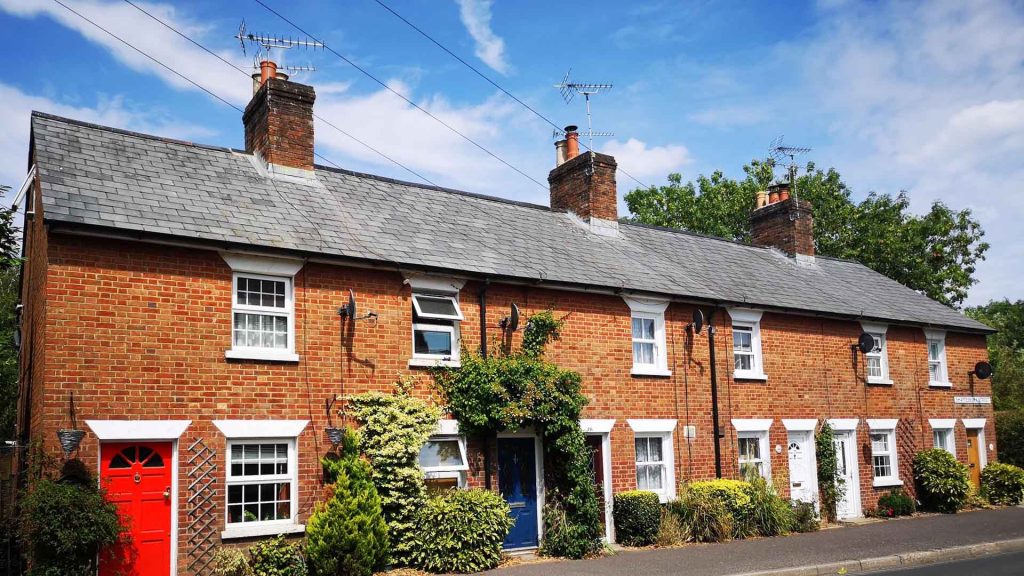
Valuing a house is a meticulous process that blends art and science. For anyone navigating property transactions, understanding what a professional valuer checks can clarify expectations and help you prepare your home for market or legal matters. This post explores the key factors a valuer considers and how these elements influence the final valuation, with a nod to matrimonial valuations where appropriate.
Introduction: the purpose behind a valuation
A property valuation provides an assessed value of a home at a specific point in time. It informs buyers, sellers, lenders, and, in some cases, courts. In family law, matrimonial valuations are often required to determine fair settlement shares or spousal maintenance. While the context may differ, valuers consistently focus on a set of core criteria to arrive at a defensible figure.
Market data and comparable sales
One of the primary tools in a valuer’s toolkit is market evidence.
- Recent transactions: The valuer looks at comparable properties (comps) that have sold in the same neighbourhood and within a relevant time frame.
- Adjustments: They adjust for differences in size, layout, condition, and features to ensure an apples-to-apples comparison.
- Local trends: Price trajectories in the area, such as rising demand or a stagnating market, inform the weight given to recent data.
In matrimonial valuations, market data helps ensure the capital value assigned reflects what a buyer would realistically pay in the open market, which is essential for fair division.
Size, layout, and internal condition
The gross internal area (GIA) and the layout play a significant role.
- Floor space: Total usable area, including bedrooms, living spaces, kitchens, bathrooms, and any conservatories or attics converted for habitation.
- Room configuration: A well-ordered flow and practical room sizes can enhance desirability.
- Condition: The state of repair, presence of damp, old wiring, or outdated kitchens and bathrooms can depress value.
Valuers assess both the current condition and any latent issues that may affect future maintenance costs. In matrimonial valuations, the long-term implications of property condition can influence the settlement, particularly if the home is intended as a future residence.
External factors and the building’s envelope
What lies outside the walls matters almost as much as what’s inside.
- Roof and walls: Age, material, insulation, and evidence of leaks or structural concerns.
- Windows and doors: Efficiency, security, and condition.
- External space: Gardens, drives, parking, and access to amenities.
- Boundaries and rights of way: Legal encumbrances or disputes can influence value.
Environmental risks, such as flood zones or subsidence history, are also considered, especially in regions where these concerns are prevalent.
Location and desirability
Location remains a perennial driver of value.
- Accessibility: Proximity to transport links, schools, shops, and employment hubs.
- Neighborhood quality: Safety, aesthetics, and future development plans.
- View and exposure: Scenic outlooks or urban fringe advantages can add appeal.
In matrimonial valuations, the location’s attractiveness can affect future resale potential and the practicality of the asset as a home in separation scenarios.
Construction quality and age
Age doesn’t automatically devalue a property; many buyers prioritise character or relatively modern build.
- Construction type: Brick, timber frame, or modular builds each have pros and cons.
- Structural integrity: Signs of settlement, cracking, or damp require expert assessment.
- Upgrades and extensions: Thoughtful additions can add value, provided they were properly consented and built.
A valuer will verify planning permissions and building regulations compliance for any extensions or significant alterations.
Maintenance, defects, and compliance
A well-maintained home typically commands a higher value.
- Maintenance history: Regular servicing and timely repairs reflect positively.
- Defects: Damp, mold, or poor insulation can reduce value and increase anticipated maintenance costs.
- Compliance: Building regulations, electrical safety, gas safety, and energy performance certificates (EPCs) are part of a prudent valuation process.
In matrimonial valuations, disclosure of defects is crucial for transparency and fairness.
Economic and financial considerations
Beyond physical attributes, valuers account for broader financial factors.
- Current mortgage terms: Existing encumbrances can influence marketability.
- Interest rates and financing conditions: These affect buyer purchasing power.
- Rental comparables: For buy-to-let properties, rental yields can corroborate market value.
In matrimonial valuations, the potential for future income or rental scenarios may be considered, depending on the purpose of the valuation and the parties involved.
The role of professional appraisal methods
Valuers employ established methodologies to ensure consistency.
- Sales comparison approach: Aligning a property with similar sold properties.
- Cost approach: Reproducing or replacing the property and adjusting for depreciation.
- Income approach: Assessing value based on potential rental income, usually for investment properties.
In matrimonial valuations, the choice of method may vary according to the agreement between parties or the requirements of the court or solicitor.
Final thoughts: what you can do to prepare
- Gather documentation: Title deeds, planning permissions, EPC, recent survey reports, and any relevant maintenance records.
- Clarify the purpose: Whether it’s a market sale, remortgage, or matrimonial valuation will shape the scope.
- Be honest about improvements and defects: Full disclosure helps avoid disputes later.
- Choose a qualified valuer: For matrimonial valuations, seek someone with experience in family law contexts.
In summary, a valuer looks for a blend of market evidence, physical condition, location advantages, and compliance factors to establish a credible property value. When the valuation is tied to matrimonial valuations, the emphasis on fairness, transparency, and defensible figures becomes even more pronounced, guiding settlements and future arrangements with clarity.